Poor car starting can come from several systems, but the battery is a sensible early check because low voltage or weak connections can prevent the starter from turning the engine normally. The sound and behavior during the failed start provide useful clues.
Before replacing expensive parts, observe whether the engine cranks slowly, clicks, cranks normally, or does nothing.
Listen to What Happens When You Start
A slow, labored crank can point toward weak electrical supply, although it does not prove the battery itself has failed. Rapid clicking can also occur when there is not enough electrical power reaching the starter.
A single click or complete silence can have different causes. Drivers researching symptoms through general vehicle-related reading should still diagnose the actual starting behavior before buying parts.
Check Whether Electrical Items Look Weak
Dim interior lighting or electronics that reset while starting can strengthen suspicion of a battery or connection problem.
Normal-looking lights do not completely rule one out because starting the engine demands much more current than powering small accessories.
Inspect the Battery Safely
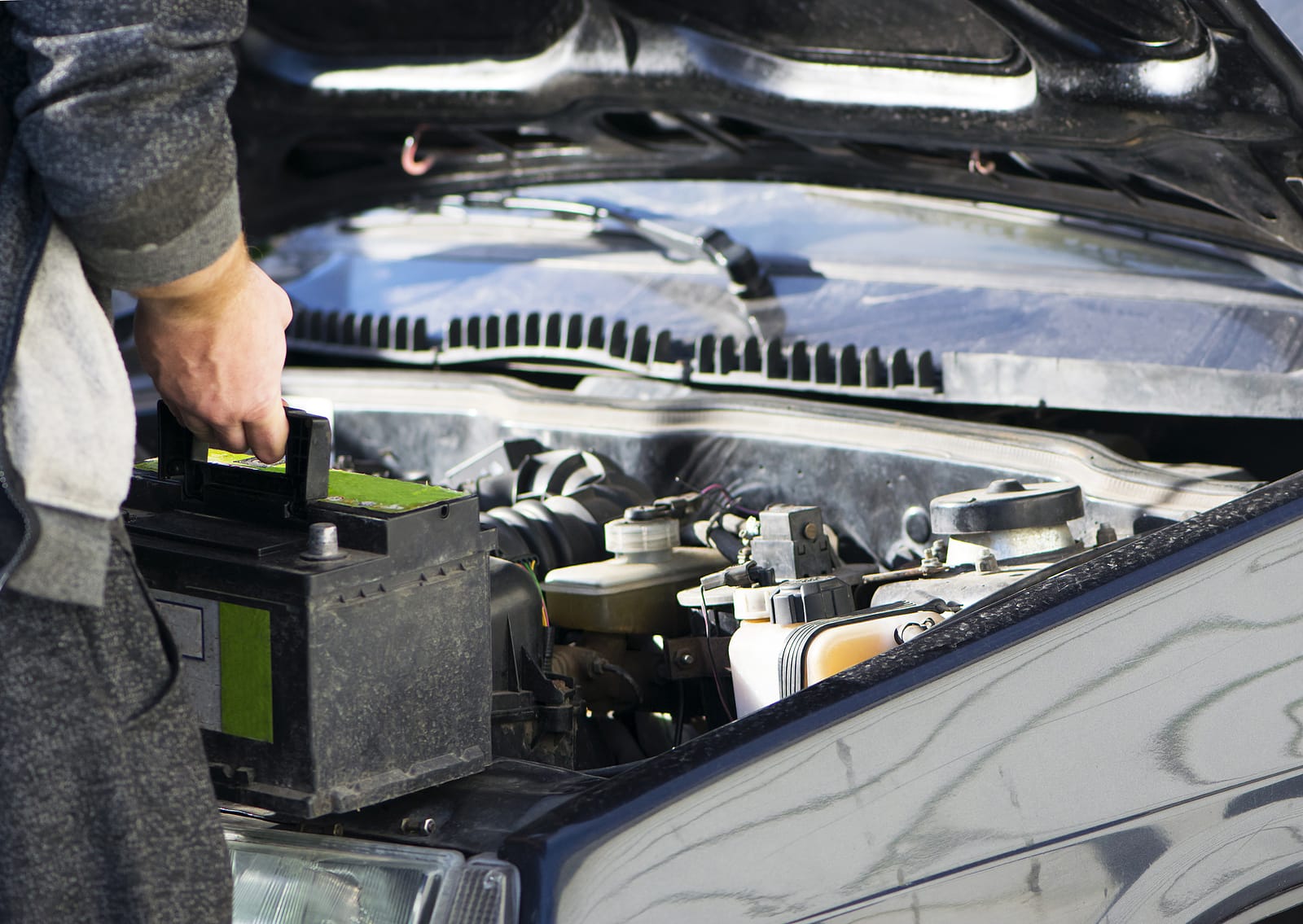
Switch the vehicle off before examining the battery area. Do not touch or attempt to work on a battery that appears cracked, leaking, badly swollen, or otherwise damaged; professional assistance is safer in those situations.
Look for loose-looking connections or heavy corrosion without placing tools across battery terminals. General everyday automotive topics can help expand your research, but vehicle-specific procedures should come from the owner’s manual or appropriate service information.
| Starting Behavior | Possible Area to Check | Useful Next Step |
|---|---|---|
| Slow cranking | Battery or connections | Battery test |
| Rapid clicking | Low available power | Inspect/test battery |
| Normal cranking | Fuel/ignition issue possible | Further diagnosis |
| No response | Electrical/start circuit | Check professionally |
Test Before Automatically Replacing Parts
A battery test can give more useful information than guessing from age alone. Many repair shops and automotive service providers can test battery condition and may also check whether the charging system is operating correctly.
If you are comparing troubleshooting ideas with practical car-care reading, separate evidence from assumptions. A new battery will not fix poor starting caused by a starter motor, wiring problem, fuel delivery issue, sensor fault, or another system.
Remember the Charging System
A battery that repeatedly becomes discharged may be the result rather than the root cause. Problems with charging or an electrical drain while the vehicle is parked can leave a healthy battery unable to start the engine later.
Repeatedly jump-starting the car without investigating why power disappears can postpone the real repair.
Where Battery Guessing Goes Wrong
One common mistake is replacing the battery solely because the vehicle will not start. That can become expensive when the original problem lies elsewhere.
The opposite mistake is assuming a successful jump-start proves nothing is wrong because the vehicle runs afterward. The extra power may have temporarily overcome a weak battery or connection. Testing the battery and charging system produces better information than relying on one successful start.
Frequently Asked Questions
Does clicking always mean the car battery is dead?
No. Clicking may occur when the starter is not receiving adequate electrical power, but poor connections and other electrical or starter-system problems can produce similar behavior.
Why does my car start after a jump but fail again later?
The battery may be weak, may not be charging properly, or the vehicle may have an electrical drain while parked. Testing can help distinguish among these possibilities.
Can cold weather make a weak battery more noticeable?
Yes. Cold conditions can make starting more demanding while reducing the performance available from a marginal battery, so a problem that was barely noticeable may become easier to detect.
Test the Simple Possibility First
Poor starting does not automatically mean a major engine repair. Listen to the cranking pattern, check for obvious battery-connection problems, and have the battery tested before replacing expensive components.
If the battery tests well or the problem repeatedly returns, the starting, charging, wiring, fuel, and engine-management systems may need further diagnosis. Evidence first, parts second.