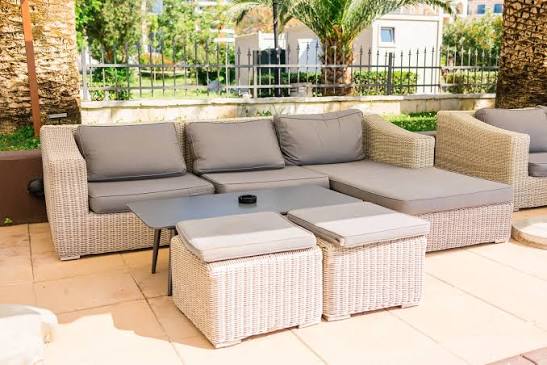
Faded patio furniture can make an otherwise tidy outdoor space look neglected, yet fading doesn’t automatically mean the furniture needs replacing. Sun exposure, weather, dirt, and aging finishes can dull surfaces long before the underlying piece fails. Cleaning, careful preparation, and the right refinishing approach can restore much of the appearance while extending useful life.
Identify the Furniture Material First
Restoration methods depend heavily on whether the piece is wood, metal, plastic, wicker, or a combination of materials. A cleaner or coating suitable for one surface may damage another.
Look for manufacturer labels where possible and inspect hidden sections before choosing a treatment. General household upkeep reading can be useful for understanding how outdoor furniture maintenance fits with other seasonal home-care tasks.
Also check whether the problem is true fading or simply a layer of dirt, pollen, mildew staining, or chalky residue.
Clean Before Trying to Restore Color
Start with the mildest cleaning method appropriate for the material. Dirt left on the surface can interfere with paint, stain, protective coatings, and other finishing products.
Rinse thoroughly and allow furniture to dry before making decisions about refinishing. People gathering practical decorating ideas may be tempted to jump straight to a color change, but clean preparation often reveals that the original finish is in better condition than expected.
Test stronger cleaners on a hidden area first. Avoid aggressive scrubbing that scratches plastic or removes a finish you intended to preserve.
| Furniture Type | Common Appearance Issue | Possible Approach |
|---|---|---|
| Wood | Gray or dry surface | Clean and refinish |
| Metal | Faded coating | Prep and repaint |
| Plastic | Dull, chalky finish | Clean and assess coating |
| Wicker | Uneven fading | Gentle cleaning and suitable finish |
Refresh Wood and Painted Surfaces
Wood furniture may need cleaning, light sanding, and a compatible outdoor finish. Painted metal or wood often requires removing loose material and preparing the surface before a new coat is applied.
Follow the product instructions for drying, recoating, and outdoor suitability. Skipping surface preparation can cause a fresh finish to peel prematurely.
For people coordinating furniture with nearby walls, flooring, or outdoor décor, surface and style inspiration can help guide color choices without turning furniture replacement into the default solution.
Work on Small Test Areas
Color can look different after drying, especially on aged wood or textured surfaces. Test an inconspicuous section before treating the entire piece.
A test can also reveal poor adhesion or an unwanted reaction between old and new finishes.
Replace Small Components Instead of the Whole Set
Sometimes the frame is sound while cushions, straps, hardware, feet, or fabric panels are worn. Replacing these smaller components can improve both appearance and comfort at a fraction of the disruption of replacing an entire furniture set.
Inspect screws and joints while cleaning. Tighten appropriate hardware and address corrosion or damage before applying cosmetic finishes.
Store removable cushions when they are not needed, especially during extended periods of harsh weather.
Where Furniture Restoration Can Go Wrong
Painting over dirty or glossy surfaces is one of the fastest ways to end up with peeling results. Another mistake is assuming every faded plastic surface can be restored permanently with a quick household treatment.
Products that temporarily make plastic look darker may not provide lasting protection. Using an interior coating outdoors can also lead to premature deterioration. If furniture has serious cracks, structural rust, unstable joints, or weakened frames, cosmetic restoration may not solve the safety problem.
Frequently Asked Questions
Can sun-faded patio furniture be restored?
Often, yes. The result depends on the material and its condition. Cleaning may be enough in mild cases, while wood, metal, or suitable plastic surfaces may require refinishing.
Should outdoor furniture be sanded before painting?
Many surfaces benefit from proper preparation, which may include light sanding. The exact process depends on the existing finish, furniture material, and instructions for the coating being applied.
How can I slow future fading?
Reduce unnecessary sun and weather exposure with covers, shaded storage, or seasonal indoor storage where practical. Cleaning dirt regularly and maintaining protective finishes can also help surfaces age more evenly.
Restore What’s Still Structurally Sound
Furniture that has lost color isn’t necessarily worn out. Start by identifying the material, cleaning it carefully, and checking the frame for real damage. Refinish only after the surface is properly prepared, and replace smaller worn components where practical. If the structure remains solid, a thoughtful restoration can return years of useful service without sending an otherwise functional patio set to disposal.