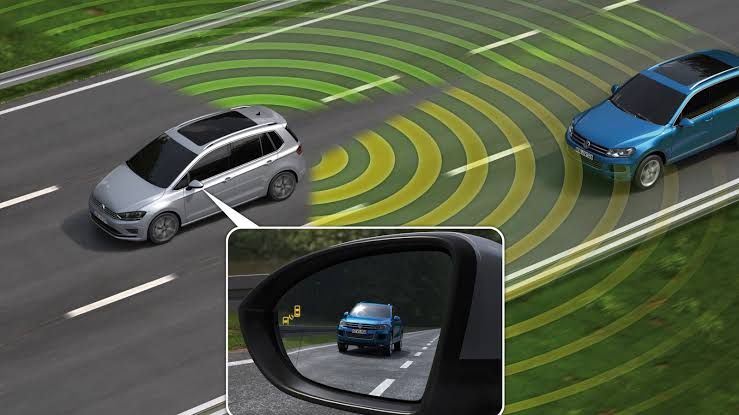
Blind spot problems occur because mirrors cannot show every area beside and behind a vehicle. Correct mirror adjustment can reduce those hidden zones, but mirrors should still be combined with active observation before changing lanes.
A reliable lane-change routine includes checking mirrors, signaling, confirming the surrounding space, and making the movement gradually. Relying on one mirror or one electronic alert leaves important information unchecked.
Understand Where Blind Spots Develop
Vehicle shape, mirror size, seating position, and surrounding traffic all influence what a driver can see. Larger vehicles may create wider hidden areas, while motorcycles can disappear from view quickly because of their smaller profile.
Your mirror setup should begin after the seat is positioned correctly. Changing the seat later can also change the view through every mirror.
Adjust Mirrors Before the Vehicle Moves
Set the rearview mirror to provide the clearest possible view through the rear window. Side mirrors should cover useful areas beside the vehicle rather than showing excessive amounts of the vehicle’s own body.
Drivers who maintain several vehicles may incorporate vehicle inspection routines into daily preparation. Personal drivers can use the same principle by checking mirror position whenever another person has used the car.
Recheck After Someone Else Drives
Even small adjustments can matter. A mirror moved for a taller or shorter driver may leave a much larger hidden area for the next person.
Make mirror adjustment part of the same pre-drive routine as fastening the seat belt and confirming the driving position.
Signal Before You Begin Moving
A turn signal communicates intention, but it does not create space. Activate it early enough for nearby drivers to understand your plan while you continue checking whether the lane is actually clear.
Good route readiness habits can also reduce unnecessary lane changes. Knowing which lane you need before a complicated interchange means fewer rushed movements across traffic.
| Lane-Change Issue | Safer Habit | Why It Helps |
|---|---|---|
| Limited mirror coverage | Adjust before driving | Reduces hidden areas |
| Fast-approaching traffic | Recheck mirrors | Updates the situation |
| Unclear intention | Signal early | Improves communication |
| Sudden movement | Change lanes gradually | Gives others reaction time |
Remember That Tires Affect Lane Changes Too
A lane change is a steering maneuver, which means tire condition affects how predictably the vehicle responds. Poor inflation, damage, or heavily worn tread may influence handling.
Regular tire inspection basics therefore belong in general vehicle preparation, even though they do not solve blind spots directly. Visibility tells you where to move; vehicle condition affects how well the car responds when you move.
Where Drivers Misjudge Blind Spots
Blind-spot monitoring systems can be helpful, but treating them as a replacement for observation is a mistake. Sensors may have limitations based on vehicle design, weather, object position, or system condition.
Another common error is checking the mirror once and assuming the lane will remain clear. Traffic changes quickly, especially when another vehicle is moving faster.
Drivers should also avoid turning their head so far that attention stays away from the road ahead for too long. The goal of any additional visual check is to gather missing information quickly while maintaining control.
Frequently Asked Questions
Can mirrors completely eliminate blind spots?
Usually not. Good adjustment can reduce hidden areas considerably, but vehicle design and traffic position may still create zones that cannot be fully monitored through mirrors alone.
Should I trust a blind-spot warning light?
Treat it as additional information rather than your only source. Continue using mirrors, signals, and direct observation according to your vehicle’s instructions and normal safe-driving practices.
When should mirrors be adjusted?
Adjust them before driving, after changing seat position, or after anyone else has used the vehicle. Mirror position should match the driver’s normal seated posture.
Make Every Lane Change Deliberate
Blind spots become easier to manage when drivers stop treating lane changes as one quick action. Proper mirror setup, signaling, repeated observation, and gradual steering create a sequence of checks that supports better awareness.
Build that sequence into every drive. Consistent habits are more dependable than assuming the lane is clear because nothing appeared in the mirror a moment earlier.