Uneven skin tone can develop for many reasons, including previous inflammation, sun exposure, or pigment conditions such as melasma. That variety makes one principle especially useful: protect the skin from additional light exposure while avoiding products that repeatedly irritate it.
Sunscreen will not instantly erase every dark mark, but regular sun protection can help prevent existing discoloration from becoming more noticeable.
Start by Understanding the Pattern
“Uneven tone” is a description, not a diagnosis. Darker patches after acne may behave differently from freckles, melasma, irritation-related pigmentation, or a changing mole.
That distinction is why skin should be observed before strong brightening products are added. General skin science material can introduce common terminology, but appearance alone may not reliably identify the cause of a new pigment change.
The American Academy of Dermatology explains that sunlight can worsen melasma and that visible light can contribute to hyperpigmentation, particularly in darker skin tones.
Make Sunscreen an Everyday Step
For pigment concerns, sun protection is not limited to beach days. Daily incidental exposure can matter, especially when dark spots repeatedly deepen after time outdoors.
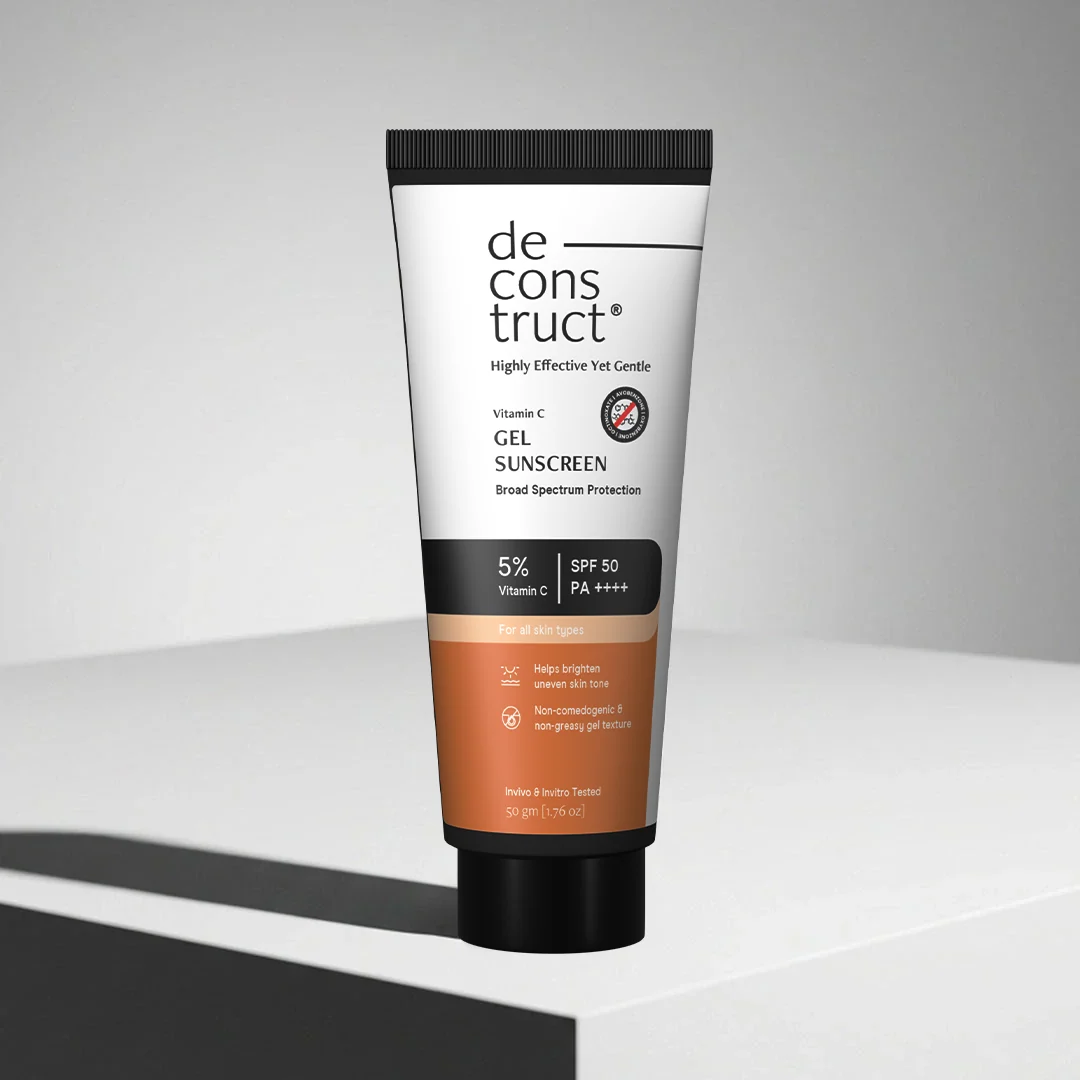
AAD guidance recommends broad-spectrum sunscreen with SPF 30 or higher and notes that tinted sunscreens containing iron oxide can add protection from visible light, which is relevant for some forms of hyperpigmentation. AAD sunscreen and pigmentation guidance
| Goal | Useful Habit | Watch Out For |
|---|---|---|
| Limit darkening | Daily sunscreen | Inconsistent use |
| Reduce irritation | Gentle products | Burning or stinging formulas |
| Track changes | Observe spots | Ignoring rapid change |
| Improve coverage | Consider tinted SPF | Poorly tolerated products |
While browsing online safety guides, prioritize habits that protect the skin consistently instead of routines built around aggressive peeling.
Keep Brightening Care Gentle
A product that burns is not necessarily working better. Irritation itself can make some dark marks more noticeable, particularly in skin prone to post-inflammatory pigmentation.
AAD melasma guidance recommends gentle, fragrance-free skin care and notes that products causing burning or stinging may worsen dark spots.
General broader wellness reading can complement healthy routines, but persistent or unexplained pigmentation changes are better assessed with skin-specific guidance.
Why More Exfoliation Is Not Always Better
Uneven tone often creates pressure to exfoliate until the skin looks brighter. That strategy can fail when repeated acids, scrubs, peels, or strong combinations irritate the skin faster than discoloration can fade.
Another mistake is expecting sunscreen to bleach existing pigment. Its primary role is protection. Improvement in established discoloration may take time, and some causes require prescription treatment or other dermatologist-directed options.
When Pigment Changes Need Medical Attention
See a dermatologist for a new or unexplained patch that is changing noticeably, especially if a spot changes in size, shape, border, or color or begins bleeding, crusting, or failing to heal.
Persistent melasma or dark spots that do not respond to gentle care can also be evaluated for treatment options. The purpose is not to assume something serious, but to avoid treating every pigment change as a cosmetic issue without checking its cause.
Frequently Asked Questions
Can sunscreen help dark spots fade?
Sun protection can prevent additional darkening and may support gradual improvement, but the result depends on what caused the discoloration.
Is tinted sunscreen useful for uneven skin tone?
It can be. Tinted products containing iron oxide may offer added visible-light protection, which can be useful for melasma and some hyperpigmentation concerns.
Can harsh exfoliation make uneven tone worse?
Yes. Irritation can contribute to discoloration in some people, so repeatedly using products that burn, sting, or inflame the skin may be counterproductive.
Protect First, Then Treat Carefully
Uneven skin tone is easier to approach when protection comes before aggressive correction. Use sunscreen consistently, keep irritating products to a minimum, and pay attention to whether a mark is stable or changing.
For persistent discoloration, melasma, or spots with unusual changes, a dermatologist can identify the likely cause and discuss treatment choices suited to your skin.
This article is for general informational purposes and is not a substitute for professional medical advice, diagnosis, or treatment.