
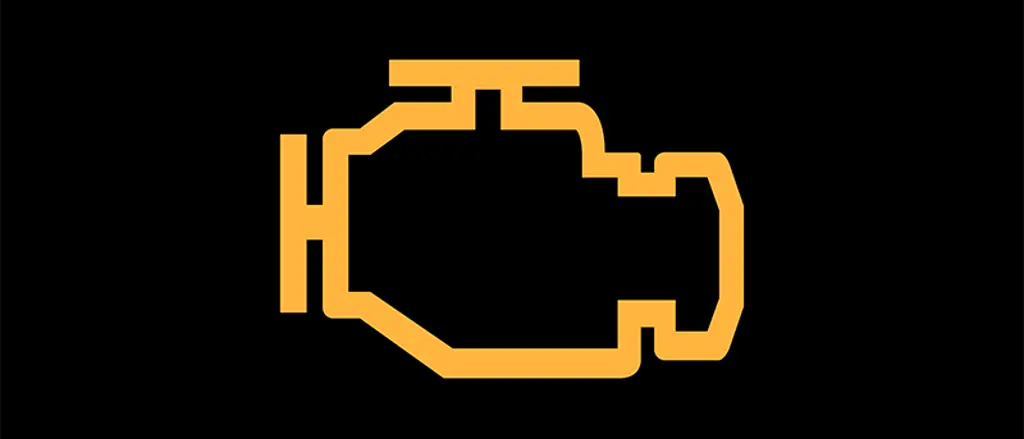
A check engine light that keeps returning shouldn’t be treated as background decoration. The warning can be triggered by anything from an emissions-related fault to ignition, fuel, sensor, or engine-management problems.
The light doesn’t identify the failed part by itself. Diagnosis starts by reading stored fault information and examining the symptoms and conditions that caused the warning.
Start With the Warning Light Behavior
A steady check engine light and a flashing warning shouldn’t automatically be treated the same way. Vehicle manufacturers may use warning behavior differently, so consult the owner’s manual for model-specific instructions.
Drivers reviewing general automotive information should remember that continuing to drive a vehicle with severe shaking, major power loss, overheating, abnormal noises, or other serious symptoms can increase the risk of further damage.
Don’t Ignore Other Dashboard Indicators
Check the temperature gauge and watch for oil-pressure, charging-system, or other warnings. The check engine light may not be the only clue.
If the vehicle feels unsafe to drive, stop in a safe location and arrange professional assistance rather than continuing simply to reach a scanner.
Read the Diagnostic Codes
An OBD-II scanner can retrieve diagnostic trouble codes on compatible vehicles. A code points toward a system or detected condition; it does not always prove that the component named in the code description needs replacement.
Automotive repair and maintenance discussions can help explain terminology, but proper diagnosis may still require live data, electrical tests, smoke testing, fuel-pressure checks, or other model-specific procedures.
| Observation | What It Suggests | Next Move |
|---|---|---|
| Light returns after clearing | Fault still present | Diagnose cause |
| Rough running | Active performance issue | Limit driving |
| Poor fuel economy | Efficiency problem | Check stored codes |
| No obvious symptoms | Fault may still be recorded | Scan vehicle |
Look for Patterns Around the Warning
Record when the light appears. Note whether it happens during cold starts, highway driving, acceleration, refueling, wet weather, or after recent maintenance.
Broader vehicle ownership resources can be useful for learning terminology, but matching another driver’s symptoms to yours isn’t enough to identify a failure. Different faults can produce remarkably similar behavior.
A loose or damaged fuel cap may trigger an emissions-related warning on some vehicles, but repeatedly tightening the cap isn’t a universal diagnosis. If the light continues to return, the stored codes and test results matter more than guesses.
Where DIY Diagnosis Often Goes Wrong
Replacing the part named in a trouble-code description can waste money. For example, a sensor-related code may reflect wiring trouble, an air leak, contamination, another component affecting readings, or an actual failed sensor.
Another mistake is clearing codes before recording them. Erasing diagnostic information may remove clues such as freeze-frame data that show engine conditions when the fault was detected.
Avoid disconnecting the battery simply to make the light disappear. Turning off a warning doesn’t repair the underlying problem.
Frequently Asked Questions
Can I drive with a check engine light on?
It depends on the vehicle’s behavior and the fault. Review the owner’s manual and consider other symptoms. A flashing light, severe rough running, overheating, major power loss, or additional critical warnings deserves prompt attention.
Why does my check engine light keep returning after I clear it?
Clearing a code removes the stored warning but doesn’t fix the condition that triggered it. If the vehicle detects the fault again during its self-checks, the warning can return.
Does an OBD-II code tell me exactly which part to replace?
Usually not. A diagnostic code identifies a detected problem or circuit condition. Proper testing is often needed to determine whether the cause is a component, wiring, connection, leak, or another related fault.
Diagnose First and Replace Parts Second
A recurring check engine warning is most useful when treated as diagnostic information rather than something to erase. Record the symptoms, scan the stored codes, preserve useful data, and follow the manufacturer’s troubleshooting information where available.
If the vehicle runs poorly, develops additional warnings, or shows signs of a serious mechanical problem, limit driving and have it inspected. Accurate testing is usually cheaper than replacing parts by guesswork.


