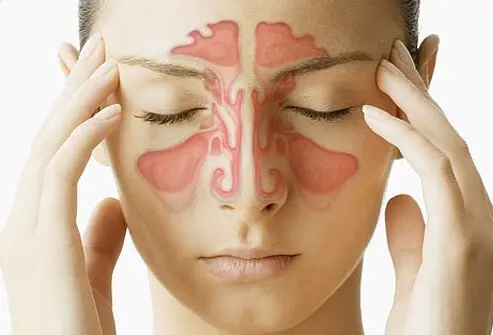
Recurring pressure around the forehead, cheeks, nose, or eyes can be frustrating, especially when it repeatedly returns after seeming to improve. Sinus inflammation is one possible explanation, but facial pressure is not specific enough to diagnose a sinus problem by itself.
Tracking nasal symptoms, allergies, infections, and other triggers can help clarify what deserves evaluation.
What Can Cause Repeated Sinus Pressure?
The sinuses are air-filled spaces around the nose. When surrounding tissues become inflamed or swollen, mucus drainage can become restricted and pressure or discomfort may develop. MedlinePlus notes that infections, allergies, and nasal problems can contribute to sinusitis.
Recurring episodes deserve attention because the cause may differ from one person to another.
People investigating facial symptoms online may encounter broader symptom reading alongside medical pages. Treat general web material as background rather than confirmation that your pressure comes from the sinuses.
Track Congestion, Drainage, and Triggers
Notice whether pressure arrives with nasal blockage, reduced smell, mucus drainage, cough, or symptoms following a respiratory infection. Seasonal allergies may also provide a clue when pressure repeatedly appears during the same part of the year.
Record environmental factors such as smoke, pollen, dusty rooms, and strong irritants. The aim is to identify patterns that can be explained to a clinician.
Neutral health education material may help you think of details to record, but diagnosis requires appropriate clinical context.
| Pattern | What May Accompany It | Worth Tracking |
|---|---|---|
| Pressure after a cold | Congestion and drainage | Symptom progression |
| Seasonal pressure | Sneezing or itching | Pollen exposure |
| One-sided discomfort | Localized symptoms | Frequency and severity |
| Repeated episodes | Similar recurring pattern | Time between episodes |
Why Repeated Episodes Deserve Evaluation
MedlinePlus advises that repeated sinusitis attacks should be assessed for contributing problems such as allergies or nasal polyps.
Evaluation may include a symptom history and examination of the nose and face. Additional testing is not automatically required for every episode; what is needed depends on the pattern and clinical findings.
Keeping daily symptom resources separate from medical sources helps avoid mistaking personal tracking tools for diagnostic evidence.
Why Facial Pressure Isn’t Enough for a Diagnosis
One common mistake is treating pressure alone as proof of a sinus infection. Headache disorders, dental problems, nasal inflammation, and other conditions can produce discomfort in similar areas.
Another misconception is that colored nasal mucus automatically means antibiotics are needed. MedlinePlus specifically notes that green or yellow discharge does not by itself prove a sinus infection or establish a need for antibiotics.
Signs That Shouldn’t Wait
Seek medical attention if sinus-type symptoms come with severe headache that does not improve, fever, visual changes, or significant worsening rather than gradual improvement. MedlinePlus also recommends evaluation when sinus symptoms persist longer than expected or repeatedly return.
Urgent evaluation is especially important for serious eye or vision symptoms or another rapidly developing severe problem. MedlinePlus sinusitis information
Frequently Asked Questions
Can allergies cause recurring sinus pressure?
Allergies can cause nasal swelling and congestion and may contribute to sinus problems in some people. Repeated seasonal symptoms can be useful information for a clinician evaluating the pattern.
Does facial pressure always mean sinusitis?
No. Facial pressure has several possible causes and is not enough by itself to confirm sinusitis. Associated nasal symptoms, duration, examination findings, and sometimes further evaluation help distinguish causes.
Should repeated sinus episodes be checked?
Yes. Recurrent episodes can justify medical assessment, particularly if symptoms repeatedly interrupt daily life or are accompanied by persistent congestion, significant pain, fever, or vision changes.
Get the Repeating Pattern Assessed
Recurring sinus pressure should be approached as a pattern to understand, not a diagnosis to assume. Track congestion, drainage, allergy exposure, recent infections, and symptom duration. If episodes repeatedly return or become more severe, a healthcare professional can evaluate possible sinus, nasal, allergy, or other causes.
This article is for general informational purposes and is not a substitute for professional medical advice, diagnosis, or treatment.