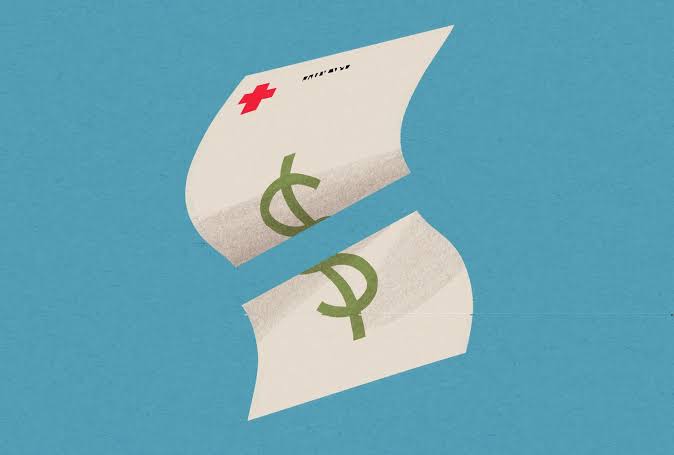
A hospital bill can combine facility charges, physician services, laboratory work, imaging, medications, and insurance adjustments in ways that are difficult to understand from a balance-due statement alone. An itemized bill and the insurer’s explanation of benefits provide a better basis for reviewing what was charged, what was allowed, and what remains the patient’s responsibility. For broader background on disputes and rights, additional legal context can sit alongside official complaint instructions while you organize the facts.
Five Organizations and Programs Worth Knowing
The organizations below serve different functions. Some accept complaints, some explain federal rights or insurance processes, and some connect people with local advocacy or legal help. They are not ranked, and each resource should be used only for the part of the problem that fits its authority.
1. CMS No Surprises Help Desk
The Centers for Medicare & Medicaid Services operates the No Surprises Help Desk for questions and complaints involving federal surprise-billing protections. It can explain whether the No Surprises Act may apply, accept certain complaints, and point consumers toward another agency when the billing problem falls outside that law. This resource does not resolve every hospital billing issues dispute, so check its jurisdiction and intake rules before assuming it is the final forum.
2. Patient Advocate Foundation
Patient Advocate Foundation provides case-management and navigation support for eligible patients facing access, insurance, financial, and care-related obstacles. It can be a practical place to organize a difficult issue, understand what documents matter, and identify the next administrative step without assuming that every problem requires a lawsuit. For hospital billing issues, the service is most useful when the issue fits its authority and the supporting records are already organized.
3. State Health Insurance Assistance Program (SHIP)
SHIP programs provide free, local, one-on-one Medicare counseling to beneficiaries, families, and caregivers. Counselors can explain coverage, enrollment, coordination of benefits, complaints, and appeals, making SHIP especially useful when a dispute involves Medicare rather than a commercial health plan. For people dealing with hospital billing issues, it can serve as one part of a broader process that may also involve the provider, insurer, regulator, or legal counsel.
4. HealthCare.gov Appeals Resources
HealthCare.gov explains how consumers can challenge certain health-plan denials through internal appeals and, when available, external review. The process often depends on the written denial, plan documents, medical support, and filing deadlines, so keeping notices and copies of submissions is central to using the resource effectively. The value of this option in a hospital billing issues matter is its defined role; use it for the part of the dispute it is actually designed to review.
5. Legal Services Corporation-Funded Legal Aid
Legal Services Corporation funds independent nonprofit civil legal-aid organizations across the United States. People who meet a local program’s eligibility rules can use LSC’s locator to find legal-aid providers that may handle health-benefit disputes, disability access, elder issues, consumer problems, or other civil matters connected to medical care. In a hospital billing issues situation, contact is more productive when you can explain the event in a short timeline and provide the key notice or record.
What Matters Before You File or Appeal
Compare the itemized bill with your explanation of benefits and note duplicate-looking charges, services you do not recognize, or amounts that appear inconsistent with the insurer’s processing. Ask the hospital’s billing office to explain disputed entries in writing when possible. If the balance involves an out-of-network emergency or certain services at an in-network facility, check whether federal surprise-billing protections may apply before arranging payment. When a decision may need to be challenged, additional appeal resources can provide extra context, but the controlling deadline and procedure should still come from the official notice or plan.
State the disputed event briefly, identify any deadline, list the supporting records, and keep copies of every submission. Urgent safety, medical, or legal issues should be handled before a routine complaint.
Frequently Asked Questions
Why ask for an itemized hospital bill?
It shows the individual services and charges behind the total balance, making it easier to compare the hospital’s statement with insurance records and identify questions.
Does the No Surprises Act cover every medical bill?
No. Its protections apply to specific situations, including many emergency and certain out-of-network bills. Coverage depends on the type of service, insurance, and circumstances.
Can I dispute a bill and still ask about financial assistance?
Yes. Billing accuracy and financial-assistance eligibility are separate questions. Ask the hospital what process applies to each and keep written records of both.
Move Forward With Organized Information
Hospital billing disputes become more manageable when the total balance is broken into parts. Request the itemization, match it to insurance records, and separate coding or coverage questions from affordability questions. That makes conversations with the hospital, insurer, or outside support program more focused and easier to document. For readers who want additional issue-spotting material, additional counsel-focused material can supplement the records you keep for any professional review.