Brake squeal can come from several sources, including pad wear indicators, vibration, surface contamination, rust, glazing, or hardware problems. Some causes are minor, while others can precede more expensive brake damage. When squealing becomes frequent or changes noticeably, inspecting the braking system is safer than trying to judge pad condition by sound alone.
Pay Attention to When the Noise Happens
A useful first step is describing the pattern. Does the squeal occur only during the first few stops, every time the pedal is pressed, after rain, during light braking, or when the brakes are hot?
Drivers researching noises may move between automotive reading material, owner discussions, and repair references, but sound alone cannot establish remaining brake-pad thickness.
Distinguish Squealing From Grinding
A high-pitched squeal and a harsh metal-on-metal grinding noise are not the same thing. Grinding, reduced stopping ability, strong vibration, pulling, or other significant changes justify prompt inspection.
Because braking components are safety-critical, don’t drive a vehicle that appears unable to stop normally. Arrange professional evaluation when safe braking is in doubt.
Inspect Pad Thickness and Rotor Condition Together
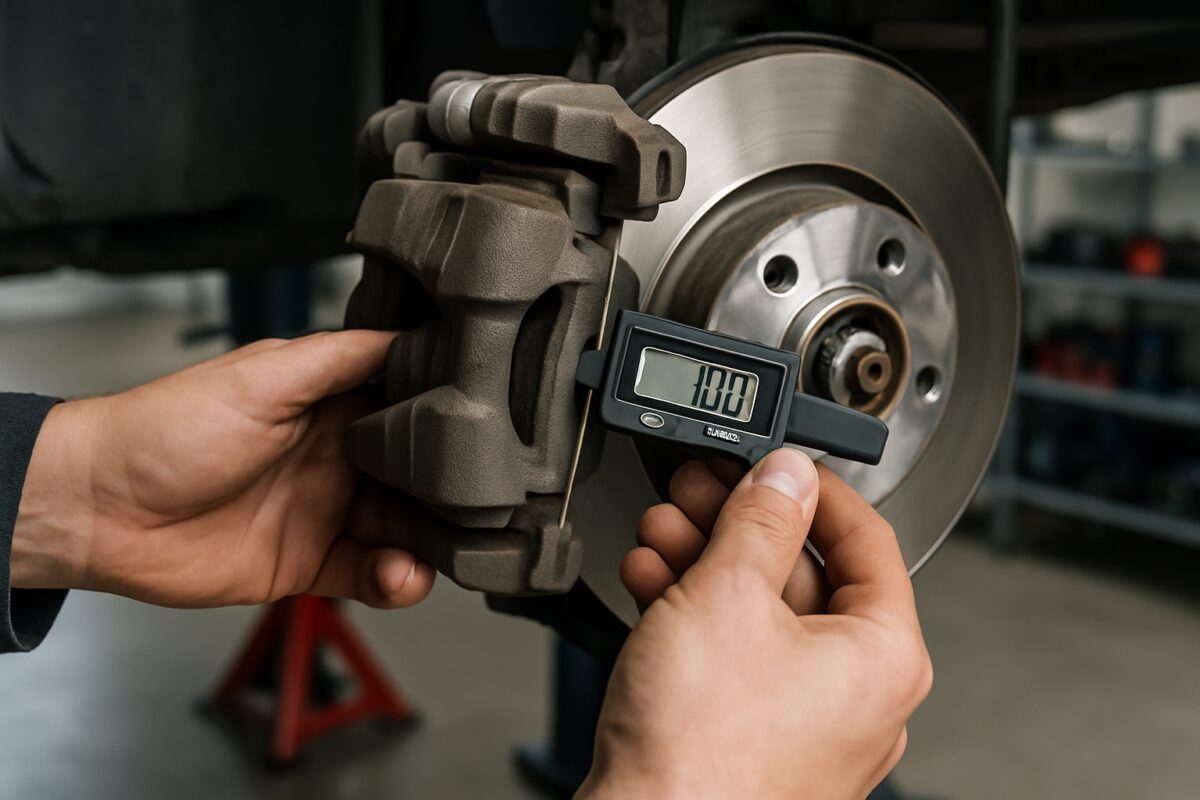
Brake pads are designed to wear gradually. Once friction material becomes too thin, other components may contact or damage the rotor surface.
An inspection should therefore consider more than whether a pad is technically still present. People comparing procedures through practical author resources should use the vehicle manufacturer’s service information for specifications because acceptable measurements and hardware arrangements vary by model.
Rotors should also be checked for deep scoring, cracking, severe corrosion, overheating marks, or other abnormal wear. Exact service limits require the correct specification and measurement rather than visual guessing.
| Brake Symptom | Possible Issue | Reason to Check |
|---|---|---|
| High-pitched squeal | Pad indicator or vibration | Pads may need inspection |
| Grinding | Severe wear possible | Rotor damage risk |
| Pedal vibration | Rotor or component issue | Braking may be uneven |
| Pulling while braking | Uneven braking | Safety concern |
Don’t Overlook Clips, Shims, and Contact Points
Pads do not operate alone. Caliper hardware, anti-rattle clips, shims, slide mechanisms, and approved contact surfaces help control movement.
Worn, incorrectly installed, or corroded hardware can contribute to noise even when the friction material still has life remaining. General automotive opinion articles may discuss many noise-reduction tricks, but brake components should not be modified or lubricated casually.
Friction surfaces must stay free of inappropriate grease or oil. Use only procedures and products specified for the relevant brake component.
Consider Conditions That Produce Temporary Noise
Not every squeal means the pads are immediately worn out. Light surface rust can develop after a vehicle sits in damp conditions, and some brake materials are naturally more audible under certain temperatures or light pedal pressure.
That possibility shouldn’t become an excuse to ignore a noise that keeps returning. A temporary sound should behave like a temporary sound. Persistent, worsening, or changing noise deserves inspection because several different brake problems can sound similar from the driver’s seat.
Where Brake-Noise Troubleshooting Goes Wrong
Replacing pads without inspecting the rest of the system can leave the original problem untouched. A damaged rotor, sticking caliper component, incorrect hardware, contamination, or installation issue may cause new pads to wear unevenly or continue making noise.
Another mistake is spraying general-purpose lubricant around the brake assembly to stop a squeal. Brake friction surfaces require controlled, contamination-free operation. Random lubrication can create a much more serious problem than the original noise.
Frequently Asked Questions
Does squealing always mean brake pads are worn out?
No. Pad wear indicators are one possible source, but moisture, surface rust, vibration, pad material, glazing, hardware, or contamination can also create noise. Inspection is the better way to identify the cause.
Can worn brake pads damage rotors?
Yes, severe pad wear can eventually allow inappropriate contact that scores or damages the rotor. Early inspection can help identify worn friction material before damage becomes more extensive.
Is it safe to keep driving with squealing brakes?
Occasional brief squealing can have harmless causes, but persistent noise should be checked. Avoid continued driving and seek prompt professional help if braking performance changes, grinding develops, warning lights appear, or the vehicle no longer stops normally.
Inspect the Brakes Before the Noise Gets Worse
Frequent squealing is a signal to inspect rather than a reason to immediately replace random parts. Check the pads, rotor condition, hardware, and overall brake operation as one system. Catching excessive wear early can reduce the chance of rotor damage and reveal problems that noise alone cannot identify. If braking feels abnormal, prioritize a qualified inspection over further driving.