A delayed property claim creates a difficult balance: you may need to prevent additional damage while also preserving evidence of the original loss. Photographs, videos, damaged materials, receipts, repair estimates, and written communications can become important when the insurer later evaluates what happened.
Document conditions as early as safely possible and keep a clear record of temporary work.
Record the Damage Before Conditions Change
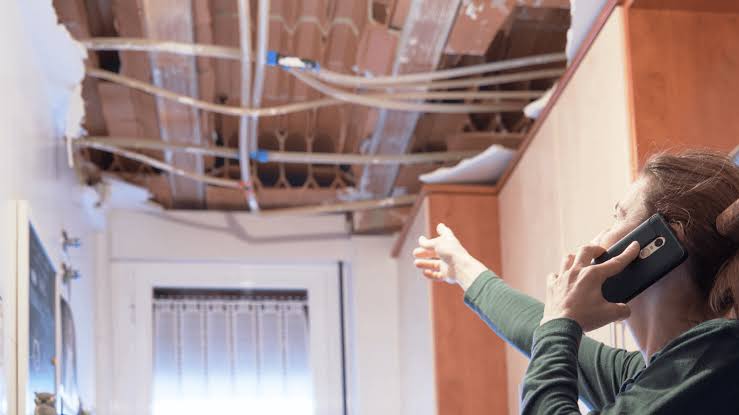
Take wide photographs showing affected rooms or areas, then closer images showing specific damage. Video can help demonstrate the overall condition and relationship between damaged areas.
Property owners researching legal matters may also encounter property-related legal directories, but photographs and records should be preserved regardless of whether professional representation is eventually needed.
Preserve a Simple Inventory
List damaged belongings, approximate purchase information where known, and their condition after the loss.
Do not discard important damaged items prematurely unless safety, sanitation, or another practical reason makes disposal necessary. Photograph items before disposal when possible.
Separate Emergency Work From Permanent Repairs
Temporary measures may be needed to prevent additional loss, such as covering an opening or stopping water from continuing to enter. Keep invoices and photographs showing why the work was required.
People exploring broader legal resource listings should not assume that general legal material answers property-insurance questions. Claim obligations depend on the policy, circumstances, and applicable state rules.
| Evidence | What It Shows | Record to Keep |
|---|---|---|
| Photos and video | Initial condition | Original files |
| Repair estimates | Expected work | Written estimates |
| Receipts | Money already spent | Copies and originals |
| Claim messages | Handling timeline | Emails and letters |
NAIC consumer guidance recommends taking photographs or video of property damage before repairs where possible and warns against making permanent repairs before inspection when doing so could interfere with the claim process.
Keep a Claim Timeline
Record when the loss occurred, when it was reported, when adjusters contacted you, when inspections happened, and when requested documents were submitted. Follow important telephone conversations with written notes or email confirmation.
If extended delay turns into a serious dispute, consumers may consider insurance lawyer listings while researching possible representation. A directory should be treated only as a starting point; verify licensing, experience, fees, and suitability independently.
Keep copies of everything sent to the insurer.
What People Often Get Wrong About Delays
Silence does not necessarily prove misconduct. A delay may involve inspections, contractor estimates, documentation requests, coverage questions, catastrophe-related workloads, or another legitimate issue.
At the same time, repeated unanswered communications should not simply be ignored. Ask what remains outstanding and request a clear status update.
Avoid repeatedly sending large batches of duplicate documents without explanation. A dated, organized file can make it easier to identify what the insurer has received and what remains disputed.
When Does a Delay Need Outside Help?
Start by requesting a written status update and asking whether the insurer needs additional information. Keep notes showing each attempt to resolve the issue.
The NAIC states that state insurance departments can investigate consumer complaints involving unfair claim delays, denials, failure to honor policies, and lack of timely communication.
Legal advice may be appropriate when a substantial claim remains unresolved, contractual deadlines may be approaching, the insurer and policyholder strongly disagree about coverage, or litigation is being considered.
Frequently Asked Questions
Can I make emergency repairs before the adjuster arrives?
Reasonable temporary action may sometimes be necessary to prevent additional damage, but document conditions first when safely possible. Keep photographs, receipts, and records of the work and check your policy and insurer instructions.
What evidence is useful for a delayed property claim?
Useful records may include photographs, video, inventories, estimates, invoices, receipts, inspection documents, emails, letters, claim forms, and a dated communication log.
Should I throw damaged property away?
Avoid unnecessary disposal before documentation or inspection when practical. If damaged materials must be removed for health, safety, or practical reasons, photograph them carefully and retain relevant receipts and records.
Preserve the Evidence While Moving the Claim Forward
Property conditions can change long before a disputed claim is resolved. Document the original damage, distinguish temporary protection from permanent repairs, save financial records, and maintain a dated claim timeline. If communication stalls or the dispute becomes significant, the state insurance department or qualified legal counsel may help explain what options remain available.
This article provides general information and is not a substitute for legal advice about a specific property insurance claim.