
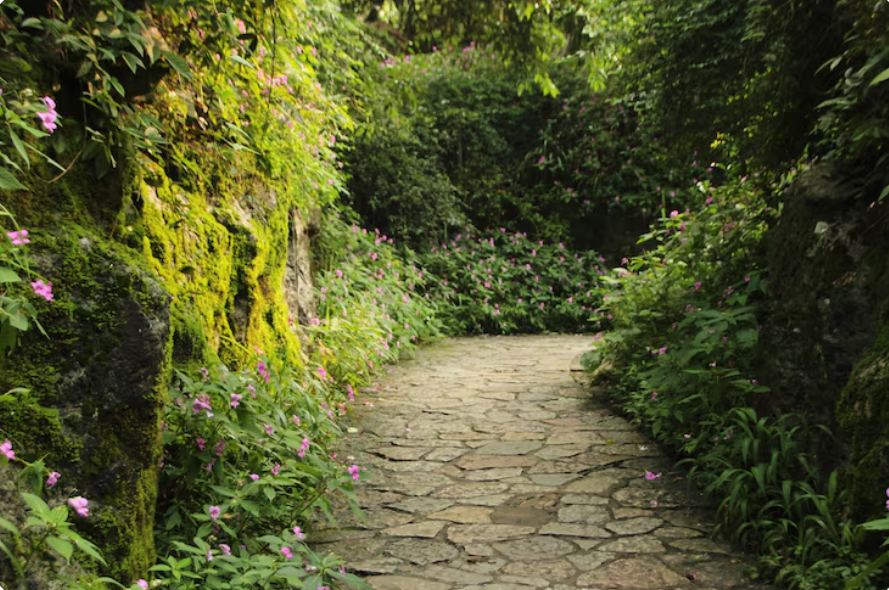
A shady garden can be peaceful and beautiful, but planning one takes a little thought. Since there is less sunlight, you cannot simply choose any plant you like and hope for the best. The good news is that you do not need a complicated plan or a garden the size of a football field.
By paying attention to the space, mixing foliage, and choosing plants that suit the conditions, you can create a garden that looks full without becoming a jungle.
Start With The Space
Before buying plants, spend some time looking at the garden itself. Notice how much sunlight reaches the area during the day. Some spots may get a little morning sun, while others stay shaded almost all day. Check where rain or watering tends to collect too.
A soggy corner may need different plants from a spot that dries out quickly. Also look at how much room plants have to spread once they grow. Working with space is usually easier than fighting it. If a plant needs lots of sun, putting it in the darkest corner probably will not end well.
Mix Colors And Textures
A shade garden does not have to be one giant patch of green. Different leaf colors, sizes, and textures can give it plenty of interest even when flowers are limited. Darker green foliage can work nicely as a background, while pale or brighter leaves can catch the eye.
Large leaves beside smaller ones can also create a noticeable difference without making the garden feel too busy. Think about how the plants look next to each other rather than judging each one separately at the garden center.
Make Room For Moonlight Caladium
Moonlight caladium can be a useful choice when you want lighter foliage to stand out in a shady planting area. Its pale appearance can brighten a darker corner without relying on colorful flowers. Try placing it among richer green plants so its lighter leaves become easier to notice.
You can use it as a focal point within a simple arrangement instead of planting it everywhere. Give it enough room to grow and keep nearby plants from completely covering it. This lets its foliage remain visible and gives the garden a more balanced appearance.
Think About Garden Layers
Using different heights can make a shade garden look fuller without packing every inch with plants. Taller plants can sit toward the back, while medium-sized foliage fills the middle and shorter plants stay closer to the ground.
This simple arrangement helps you see more of the garden at once. It also prevents smaller plants from disappearing behind something twice their size. Leave enough space between each layer so plants can grow naturally.
Keep Maintenance Manageable
A beautiful garden should not become a second job. Before adding a plant, think about how much care it will need and whether you can realistically keep up with it. Create a simple watering routine based on the needs of your plants and the weather.
Remove damaged leaves when you notice them and check occasionally for overcrowding. Small seasonal changes are often enough. Move a container, trim an overgrown plant, or replace something that is struggling.