The period following childbirth is one of profound physical and emotional transformation. A woman’s body undergoes hormonal shifts, metabolic adjustments, and recovery from the demands of pregnancy and delivery.
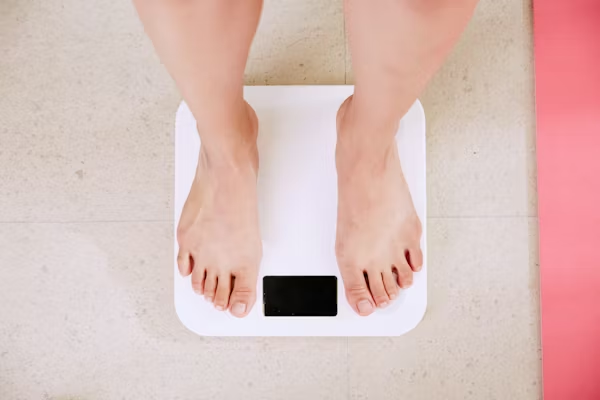
Caring for your weight after childbirth should not be driven by urgency or external pressure, but by health, stability, and long-term well-being. A disciplined and informed approach ensures recovery is both safe and sustainable.
Allow the Body Time to Recover
Immediately after delivery, the body requires rest and healing. The uterus gradually contracts, hormone levels fluctuate, and tissues repair. Attempting aggressive weight loss during this phase can interfere with recovery, energy levels, and mental health.
Medical professionals generally recommend waiting for postpartum clearance before beginning structured exercise or weight reduction programs. Respecting the recovery timeline protects both physical health and emotional balance.
Prioritize Nutrient-Dense Nutrition
Postpartum nutrition should focus on restoration, particularly if breastfeeding. The body requires sufficient calories, protein, healthy fats, iron, calcium, and hydration to support healing and milk production.
Rather than restrictive dieting, emphasize whole foods: lean proteins, complex carbohydrates, vegetables, fruits, and healthy fats. Stable blood sugar levels help regulate mood and energy, which are often strained during early parenthood.
Reintroduce Physical Activity Gradually
Once medically cleared, begin with low-impact activities such as walking, light stretching, and pelvic floor strengthening. Gradual progression to resistance training and cardiovascular exercise supports metabolic balance and muscle restoration.
Consistency, not intensity, should guide the early stages of postpartum fitness. Overexertion can delay healing and increase injury risk, particularly after cesarean delivery or complicated births.
Support Hormonal and Sleep Balance
Sleep deprivation is common after childbirth and significantly influences weight regulation. Insufficient sleep disrupts hunger hormones such as ghrelin and leptin, increasing appetite and cravings.
While uninterrupted sleep may be unrealistic, prioritizing rest whenever possible and seeking support from partners or family members can help stabilize metabolic and emotional health.
Monitor Mental and Emotional Well-Being
Postpartum emotional shifts are influenced by hormonal changes, lifestyle adjustments, and identity transitions. Anxiety, body image concerns, or postpartum depression may complicate weight management efforts.
Professional counseling or support groups provide structured guidance and reduce the risk of unhealthy coping behaviors related to food or body image.
Recognize Signs of Disordered Eating
The postpartum period can heighten vulnerability to disordered eating patterns, particularly if there is a prior history of eating disorders. Warning signs may include obsessive calorie restriction, binge episodes, purging behaviors, or intense body dissatisfaction.
In severe cases where physical health becomes compromised or psychological distress escalates, inpatient eating disorder treatment may be necessary. Inpatient care provides medical supervision, nutritional stabilization, and therapeutic intervention within a structured environment. This level of support is essential when there are medical risks, rapid weight changes, or co-occurring mental health conditions that require intensive treatment.
Consider a Structured Weight Management Program
For individuals seeking guided support, enrolling in a medically supervised weight management program can provide accountability and balanced strategies. Evidence-based programs typically include:
• Nutritional planning tailored to postpartum needs
• Behavioral counseling
• Physical activity guidance
• Monitoring of metabolic markers
Professional programs focus on sustainable change rather than rapid weight loss. They also consider hormonal fluctuations, breastfeeding status, and psychological well-being when designing personalized plans.
Avoid Extreme or Rapid Weight Loss Methods
Crash diets, excessive cardio routines, and unverified supplements can destabilize metabolism and compromise nutrient availability. Rapid weight cycling often leads to long-term difficulty maintaining results.
A moderate caloric deficit, if appropriate, combined with gradual strength rebuilding produces more stable and lasting outcomes.
Focus on Body Composition and Strength
Postpartum recovery involves rebuilding muscle tone and core stability. Emphasizing strength training improves body composition even if scale weight changes slowly. Measuring progress through energy levels, endurance, and functional strength often provides a healthier perspective than focusing solely on weight.