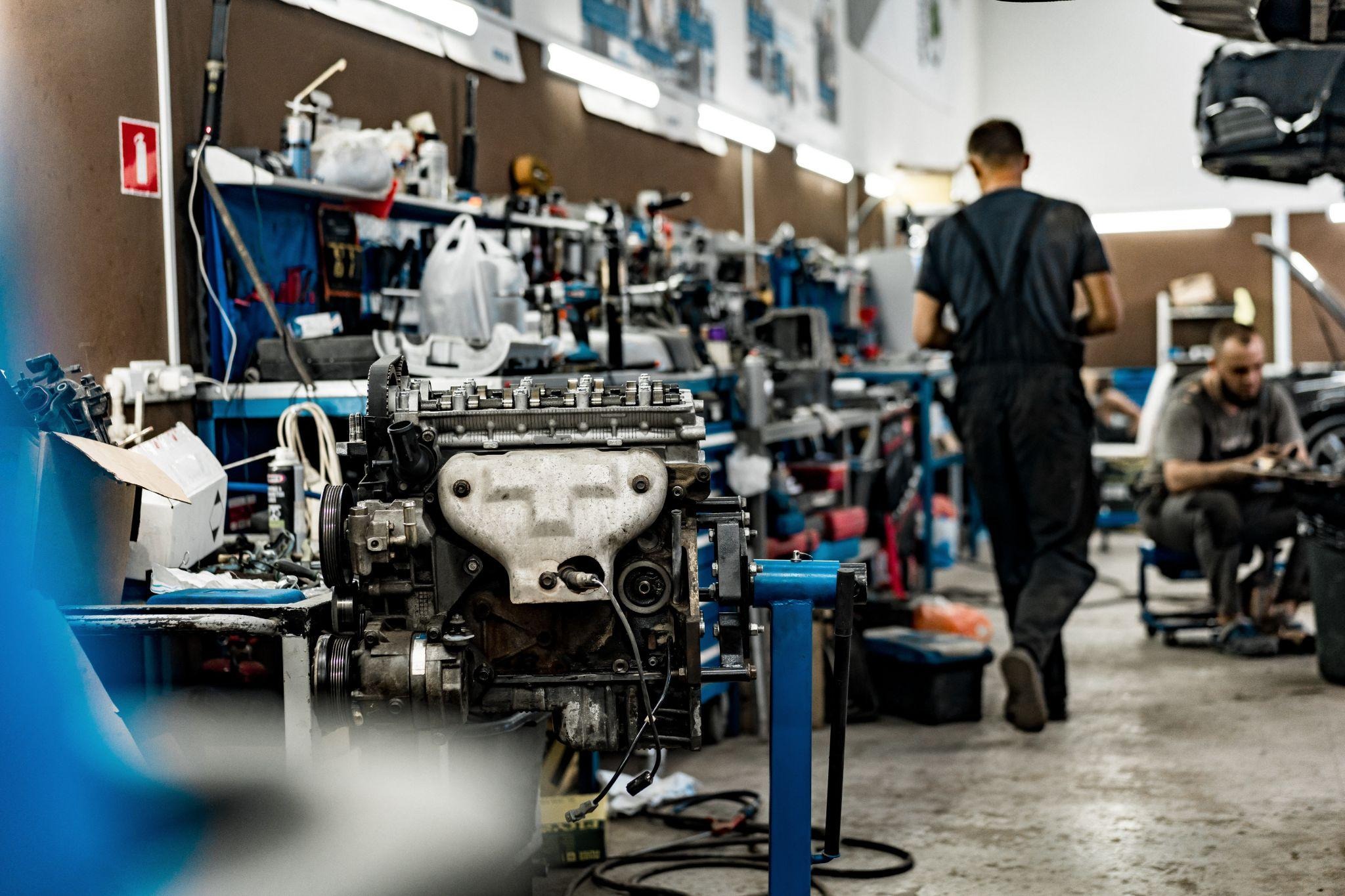
Between 2019 and 2025, the average cost of a major engine repair at a U.S. dealership rose by roughly 38 percent, according to data compiled by AAA and RepairPal. During the same period, new vehicle prices climbed past $48,000 on average, pushing more owners to keep aging cars on the road longer. The collision of those two trends has created a problem with no obvious domestic solution. And an increasingly popular answer is arriving by container ship from Japan.
The Japanese Domestic Market engine industry, once a subculture of tuner car enthusiasts, has grown into a significant segment of the American automotive aftermarket. Importers like jdmenginedirect.com now ship thousands of tested, low-mileage powertrains annually to buyers who ten years ago would never have considered a used Japanese motor. The customer profile has shifted. It’s no longer just the 22-year-old building a drift car. It’s a family in Ohio keeping a 2008 Highlander alive.
What’s behind the supply crunch on domestic used engines?
Several factors converged. The semiconductor shortage between 2020 and 2023 slowed new car production dramatically. Fewer new cars sold meant fewer trade-ins feeding the used parts pipeline. Salvage yards that once stocked rows of late-model Camrys and Accords saw their inventory thin out.
At the same time, vehicles on the road got older. The average age of a car in the United States hit 12.6 years in 2024, a record. Older vehicles need more major repairs. More demand, less supply. Prices at domestic salvage auctions climbed accordingly, with some common four-cylinder engines selling for double their 2019 prices at Copart and LKQ auctions.
Japan’s market operates on a different cycle entirely. The shaken inspection system pushes vehicles off the road after eight to ten years regardless of mechanical condition. An engine with 50,000 miles that would fetch premium prices in the U.S. gets exported from Japan for a fraction of that cost. The price gap created an arbitrage opportunity that importers have scaled aggressively.
Who is buying these engines now?
The demographic shift is the most telling indicator of market maturation. Import specialists report that the fastest-growing customer segment is independent repair shops buying on behalf of their clients. A shop owner in Georgia or Texas can source a JDM replacement engine for a customer’s Subaru Forester, install it, and still come in well under the cost of a domestic reman unit from a supplier like Jasper or ATK.
Fleet operators represent another emerging category. Small businesses running five to fifteen Toyota Tacomas or Honda CR-Vs as work vehicles face a straightforward math problem when an engine fails. A new vehicle costs $35,000 or more. A JDM replacement engine plus installation runs $3,000 to $5,000 depending on the platform. The fleet stays on the road at a tenth of the replacement cost.
Individual owners still make up the largest share of buyers, but their reasons have changed. Fewer are building weekend project cars. More are solving a practical transportation problem with a solution that fits their budget.
How does the import pipeline actually work?
The process starts at Japanese auto auctions. Facilities like USS, the largest auction network in Japan with over a dozen locations, process millions of vehicles annually. Exporters bid on vehicles, pull the engines and transmissions, and grade them based on auction documentation that includes mileage verification, exterior and interior condition ratings, and noted mechanical issues.
Engines are containerized, typically 15 to 30 units per shipping container depending on size, and sent to U.S. ports. The journey from auction purchase to warehouse shelf in New Jersey or California takes roughly four to six weeks. Importers with established Japanese buying offices can maintain a steady rotation of inventory, cycling through seasonal demand peaks that typically hit in spring and early fall.
On arrival, reputable operations test each unit. Compression testing is standard. Some importers also perform leak-down tests and oil pressure checks. Visual inspection catches obvious problems: coolant in the oil, scoring on cylinder walls, corrosion on electrical connectors. The engines that fail get parted out or sent back into bulk resale channels. The ones that pass get cataloged, photographed, and listed with specific data: engine code, mileage, compatible vehicles, and warranty terms. Most ship with the intake manifold, exhaust manifold, and accessories still attached, which simplifies installation compared to a bare long block from a domestic rebuilder.
Does quality hold up under scrutiny?
The skepticism is reasonable. A used engine from another country, sight unseen, sounds risky. But the data from warranty claims tells a different story. Major JDM importers report warranty claim rates below five percent on engines sold with standard 90-day coverage. Compare that to domestic remanufactured engines, where some industry estimates place defect rates between eight and twelve percent depending on the rebuilder.
The reason comes back to how Japan treats its vehicles. Regular maintenance is culturally ingrained and economically enforced through the shaken system. Oil change intervals are respected. Coolant gets flushed. Timing components get serviced on schedule. A 60,000-mile Japanese engine has often received better care than a 60,000-mile American one simply because the ownership culture demands it.
That said, not every importer operates the same way. The market’s growth attracted low-effort resellers who buy bulk containers without individual testing and sell on volume and price. Buyers who research their source and verify that testing documentation exists tend to report significantly better outcomes than those who chase the lowest listing on Facebook Marketplace. Reading auction sheet data, confirming the engine code matches the listed application, and choosing a seller who offers at minimum a 90-day warranty are baseline steps that separate informed purchases from gambles.
Where does this market go from here?
Two trends will shape the next five years. First, the 25-year import rule under EPA and DOT regulations continues to unlock previously restricted vehicles and powertrains for the American market. Engines from mid-2000s performance vehicles, including the Nissan RB26DETT and the Mitsubishi 4G63 from late-model Evolutions, are entering legal import windows. Enthusiast demand for these units will intensify.
Second, the electrification wave in Japan may actually increase JDM engine supply in the medium term. As Japanese consumers transition to EVs and hybrids at government-incentivized rates, more internal combustion vehicles will exit the Japanese domestic fleet earlier than they otherwise would. Those engines still have decades of useful life in markets where EV infrastructure lags.
The American car owner who needs a reliable engine at a reasonable price now has options that didn’t practically exist fifteen years ago. A Japanese-market motor with documented mileage, professional testing, and a warranty is no longer an exotic choice. For a growing number of buyers, from independent shops sourcing parts for their regulars to families stretching the life of a paid-off SUV, it’s simply the smart one.