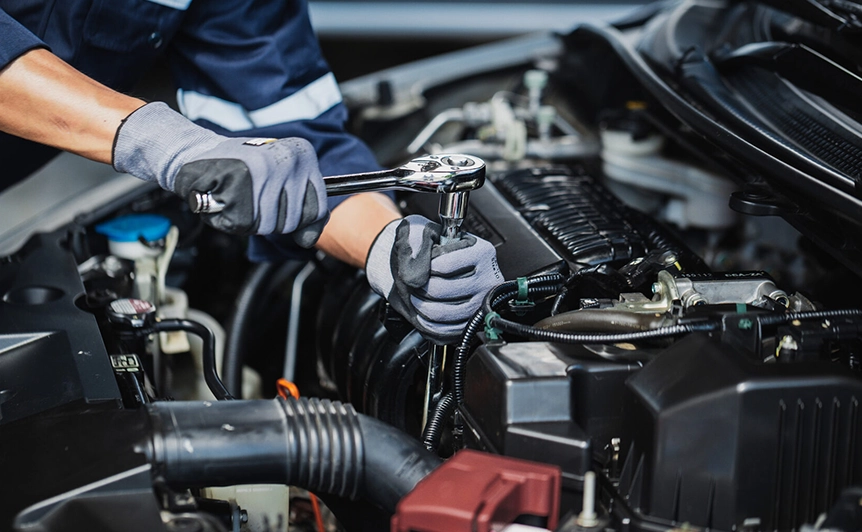
Major vehicle repairs often feel sudden, but some expensive problems give smaller warning signs first. Fluid leaks, unusual noises, tire wear, warning lights, overheating, and changes in braking or steering can all justify closer attention. Regular checks won’t prevent every mechanical failure, yet they can help catch developing problems before continued driving turns a manageable repair into more extensive damage.
Build Checks Around the Vehicle’s Actual Schedule
The owner’s manual is the best starting point for routine maintenance intervals because requirements vary by model, engine, mileage, and operating conditions. Oil, filters, fluids, tires, belts, and other components shouldn’t all be treated as if they have one universal replacement schedule.
Keep maintenance records together. A dated history makes it easier to see what has already been serviced and what is approaching its recommended interval.
Consistency matters more than repeatedly replacing parts early.
Pay Attention to Small Changes in How the Car Feels
A new vibration, smell, fluid spot, warning light, or change in braking deserves attention even if the vehicle still drives. The goal isn’t to assume the worst but to identify whether the change is normal or needs inspection.
Drivers comparing general ownership information through local ownership notes may find plenty of opinions about car care. Vehicle-specific instructions and qualified inspection are more reliable when determining whether a particular mechanical symptom is safe to ignore.
If a warning light flashes or the vehicle develops severe overheating, braking, steering, or oil-pressure symptoms, continuing to drive can make the situation less safe and potentially more expensive.
Check Fluids, Tires, and Visible Components Regularly
Simple inspections can reveal leaks, abnormal tire wear, damaged wiper blades, low fluid levels, or other visible changes. Always perform under-hood checks with the vehicle safely parked and follow the owner’s manual for fluid procedures.
Never crawl beneath a vehicle supported only by a standard emergency jack. Proper lifting and support equipment are necessary for work underneath a vehicle.
General open automotive resources can provide useful ideas for what owners commonly inspect, but specifications such as fluid type, tire pressure, and service procedure should come from the manufacturer or a qualified technician.
| Warning Sign | Possible Concern | Next Move |
|---|---|---|
| Fluid under car | Leak | Identify and inspect |
| Uneven tire wear | Alignment or suspension | Check promptly |
| New grinding noise | Mechanical wear | Avoid delaying |
| Rising temperature | Cooling problem | Stop if overheating |
Keep Records Instead of Relying on Memory
Write down service dates, mileage, repairs, tire work, and major component replacements. Receipts are useful because they show exactly what was done rather than simply recording that the car “had maintenance.”
People reading maintenance briefing content may encounter different service opinions, especially about replacement timing. Your owner’s manual, actual driving conditions, inspection findings, and existing records provide a stronger basis for deciding what the vehicle needs.
Records can also prevent duplicate work when you change repair shops.
Where Preventive Maintenance Can Go Wrong
Replacing parts early isn’t automatically good maintenance. Unnecessary services increase ownership costs and can turn routine car care into its own expensive habit.
The opposite extreme is more damaging: postponing a known problem because the vehicle still moves. A small coolant leak, worn tire, noisy bearing, or braking problem may worsen with continued use. Preventive maintenance works best when it follows real service requirements and observable vehicle condition rather than fear, guesswork, or blanket replacement schedules.
Frequently Asked Questions
Can regular maintenance prevent all expensive car repairs?
No. Components can fail because of age, defects, accidents, corrosion, or ordinary wear even on a well-maintained vehicle. Maintenance mainly reduces avoidable neglect and helps developing problems get noticed sooner.
Which vehicle checks can owners easily do themselves?
Many owners can visually inspect tires, exterior lights, wipers, obvious leaks, and certain fluid levels when the owner’s manual explains the procedure. More complex mechanical or safety-related inspection may require a trained technician.
Is it safe to keep driving when a warning light appears?
It depends on the light and vehicle behavior. Some warnings allow limited driving, while others indicate a condition that may require stopping promptly. Check the owner’s manual and seek professional help when the warning suggests a serious safety or mechanical problem.
Catch Problems While They’re Still Small
Regular vehicle checks are most valuable when they create an early warning system. Follow the manufacturer’s maintenance schedule, notice changes in how the car behaves, keep accurate records, and investigate meaningful symptoms instead of waiting for a breakdown. You won’t eliminate every repair bill, but you can reduce the chance that neglected maintenance turns a smaller problem into a costly one.