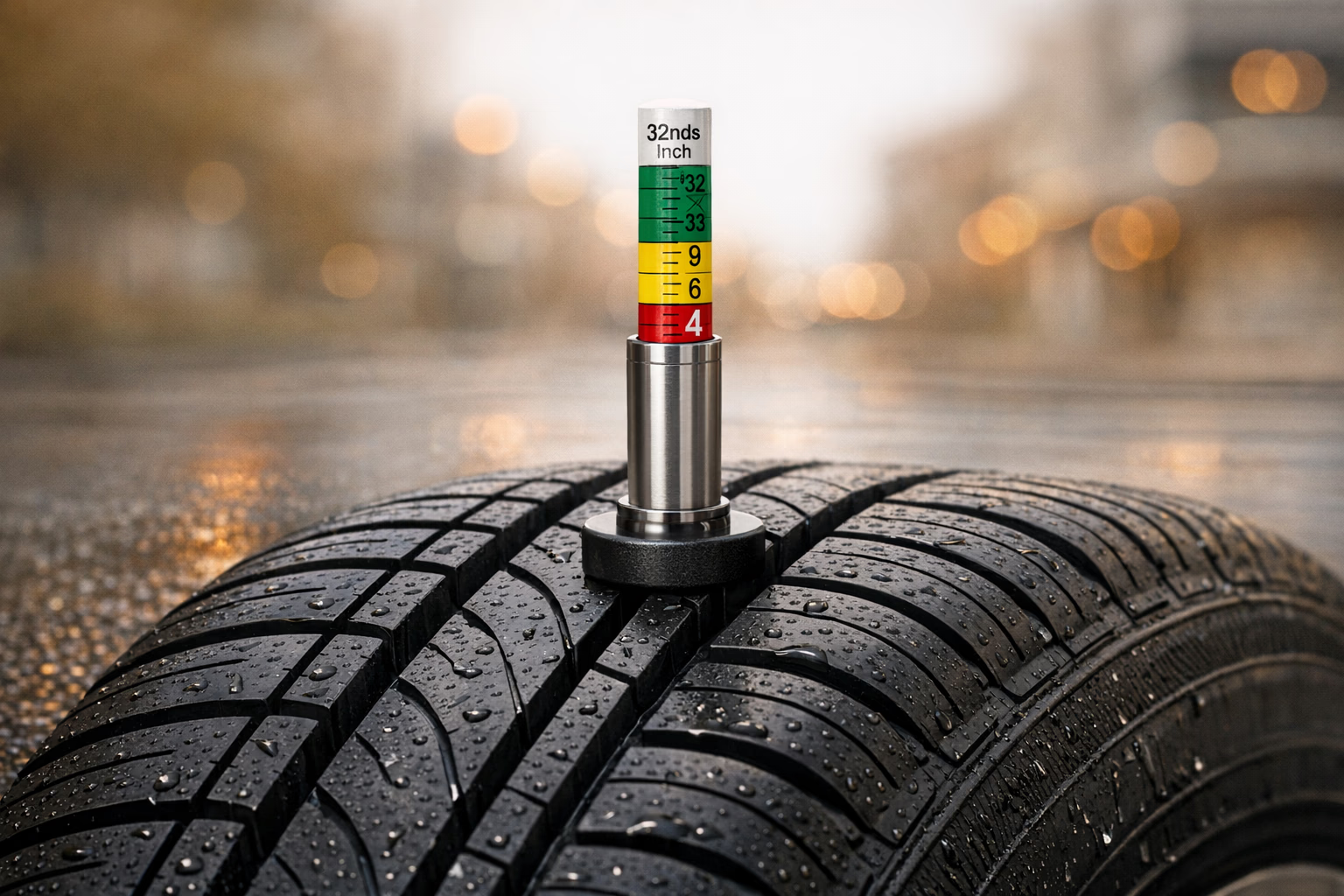
Poor tire grip becomes especially noticeable on wet pavement, where worn tread has less ability to move water away from the contact area. The car may still feel acceptable during dry everyday driving, which makes gradual tire wear easy to underestimate until rain exposes the problem.
Inspecting tires before bad weather is safer than discovering weak traction during an emergency stop.
Understand What Tread Is Doing
Tread grooves give water a path away from the area where the tire meets the road. As tread wears down, that drainage capacity decreases, making wet-road traction more difficult.
Tire condition is only one part of grip. Tire design, road surface, inflation, temperature, vehicle speed, and standing water all affect how much traction is available.
Drivers comparing general automotive reading should treat broad advice as background and follow the tire manufacturer’s and vehicle manufacturer’s specifications for their own equipment.
Inspect More Than the Center of the Tire
Wear isn’t always even. Improper inflation, alignment problems, worn suspension components, or driving patterns can produce excessive wear along an edge or in isolated areas.
Look across the full tread surface and check for cuts, bulges, exposed cords, embedded objects, cracking, or other visible damage. A tire can require attention even when one portion of the tread still appears usable.
Useful vehicle ownership topics may encourage regular inspection habits, but a qualified tire professional should assess damage that isn’t easy to interpret.
| What You Find | Possible Concern | Next Move |
|---|---|---|
| Shallow tread | Reduced wet traction | Plan replacement |
| Uneven wear | Inflation/alignment issue | Inspect underlying cause |
| Bulge or exposed cord | Structural damage | Stop relying on tire |
| Repeated pressure loss | Leak or wheel issue | Have it inspected |
Don’t Wait for Heavy Rain to Notice the Difference
Wet roads reduce available traction, and standing water raises the risk of hydroplaning. Slowing down and leaving more following distance become especially important when conditions deteriorate.
Replacing clearly worn tires before a rainy period removes one avoidable weakness. New tires don’t make wet roads harmless, though; speed and driving behavior still need to match conditions.
Drivers looking through road-safety reading should remember that no article can replace direct inspection of a damaged or heavily worn tire.
Check Pressure and Rotation History
Incorrect tire pressure can affect handling and contribute to uneven wear. Check pressure when appropriate using the vehicle manufacturer’s recommended specification rather than simply using the maximum number printed on the tire sidewall.
Rotation may help tires wear more evenly when performed according to the vehicle and tire recommendations. If wear remains uneven after normal maintenance, alignment or mechanical issues may need investigation.
Mistakes That Create False Confidence
One common mistake is judging the entire tire by a single section that still has visible tread. Another is assuming that because the vehicle hasn’t slipped yet, the tires must still provide strong wet grip.
Drivers may also focus entirely on tread while ignoring age-related cracking, pressure loss, sidewall damage, or unusual vibration. Tire condition is a combination of tread, structure, inflation, wear pattern, and operating history.
Frequently Asked Questions
Why do worn tires lose grip in rain?
Worn tread has less groove depth available to channel water away from the tire’s contact area. That reduces the tire’s ability to maintain effective contact with wet pavement as conditions become more demanding.
Can tire pressure affect wet-road handling?
Yes. Incorrect pressure can change the tire’s contact with the road and contribute to uneven wear. Use the vehicle manufacturer’s pressure recommendation and investigate tires that repeatedly lose pressure.
Should all four tires be replaced together?
That depends on tire condition, vehicle drivetrain, manufacturer requirements, and differences in remaining tread. Some vehicles have stricter matching requirements, so check the owner’s manual or ask a qualified tire professional before replacing only part of a set.
Replace Weak Tires Before Conditions Test Them
Rain shouldn’t be the first test of whether worn tires still have enough useful grip. Inspect tread, wear patterns, pressure, and visible damage while conditions are calm. If a tire is worn or structurally questionable, deal with it before the next wet drive rather than relying on cautious driving to compensate for failing equipment.