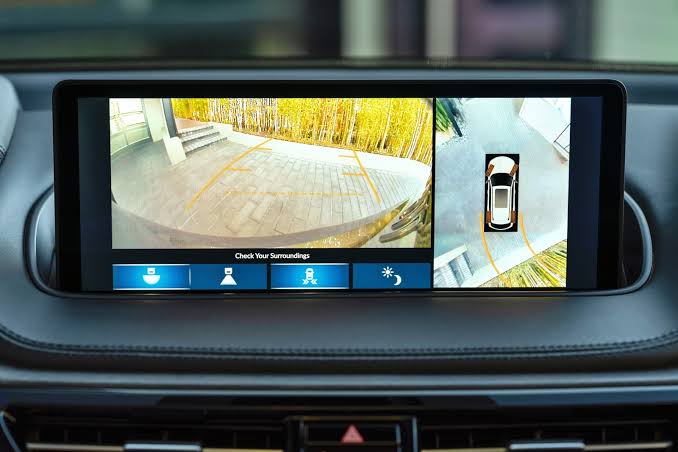
Backup camera failure does not always mean the camera itself is bad. A blown fuse, damaged wiring, loose connector, poor ground, display problem, or missing reverse signal can produce the same blank-screen symptom. Check the electrical path before buying a replacement camera.
Observe Exactly What Happens in Reverse
Shift into reverse while the vehicle is safely parked and note what the screen does. A display that switches to a black image is different from a display that never changes modes.
If guidelines appear but the picture does not, the infotainment unit is probably receiving at least part of the reverse command. If nothing happens, the fault may lie earlier in the activation circuit.
People researching general repair decisions may look through vehicle service resources, but careful observation should come before parts replacement.
Check Fuses, Connectors, and Visible Wiring
Consult the owner’s manual or appropriate service information to identify camera-related fuses. Replace a blown fuse only with the specified type and rating.
Inspect accessible connectors near the trunk lid, tailgate, or camera location for looseness, corrosion, or damaged insulation. Areas where wiring flexes whenever a trunk or liftgate opens deserve extra attention.
| Camera Symptom | Possible Area | First Check |
|---|---|---|
| Screen stays unchanged | Reverse trigger | Check activation signal |
| Black screen | Camera/video path | Inspect connector |
| Image cuts in and out | Flexible wiring | Check harness movement |
| Distorted picture | Camera or connection | Clean lens and inspect wiring |
Separate Camera Failure From Display Failure
A working dashboard display does not prove the camera circuit is healthy, but a malfunctioning display can make a good camera appear dead. Test other infotainment features to see whether the screen operates normally.
As newer vehicles combine cameras with parking systems and multimedia electronics, vehicle electronics discussions may provide useful background. Actual diagnosis should still separate the camera, video connection, display, and reverse activation signal.
If possible, note whether parking sensors or reverse lights also fail. Shared symptoms can point toward a broader circuit issue.
Pay Attention to Harness Damage
Wiring near hinges and movable body panels experiences repeated bending. Individual conductors can break inside their insulation, creating an intermittent camera that works only when the trunk or liftgate sits in a certain position.
Broader automotive electrical references can be useful when learning how many camera faults are connected to wiring rather than the lens assembly itself. Model-specific diagrams are still needed before testing individual circuits.
Do not short wires together to “see what happens.” Camera systems may use low-voltage signal circuits that can be damaged by improper testing.
Common Mistakes Before Replacing a Camera
Replacing the camera because the screen is black is one of the most expensive shortcuts. Without confirming power, ground, signal wiring, and reverse activation, the new camera may behave exactly like the old one.
Another mistake is ignoring intermittent behavior. A picture that appears when a tailgate moves is valuable evidence because it suggests a physical connection problem rather than a software setting.
Frequently Asked Questions
Why does my backup camera work only sometimes?
Intermittent operation often points toward loose connectors, damaged flexible wiring, moisture intrusion, or an internal camera fault. Pay attention to whether opening or closing the trunk or tailgate changes the picture.
Can a blown fuse stop a backup camera from working?
Yes, depending on the vehicle’s circuit design. Check the owner’s manual or service information for the correct fuse location and rating rather than replacing unrelated fuses at random.
Why is my backup camera screen black but the guidelines still show?
The display may be receiving the reverse command while the camera image itself is missing. That can happen because of camera power loss, wiring damage, connector problems, or camera failure.
Prove the Circuit Before Buying Parts
A backup camera is only one piece of the system. Check the display response, fuse, connectors, flexible harness sections, and reverse activation before replacing it. If electrical testing is required beyond accessible inspections, proper wiring diagrams and suitable test equipment can prevent accidental damage and unnecessary parts costs.