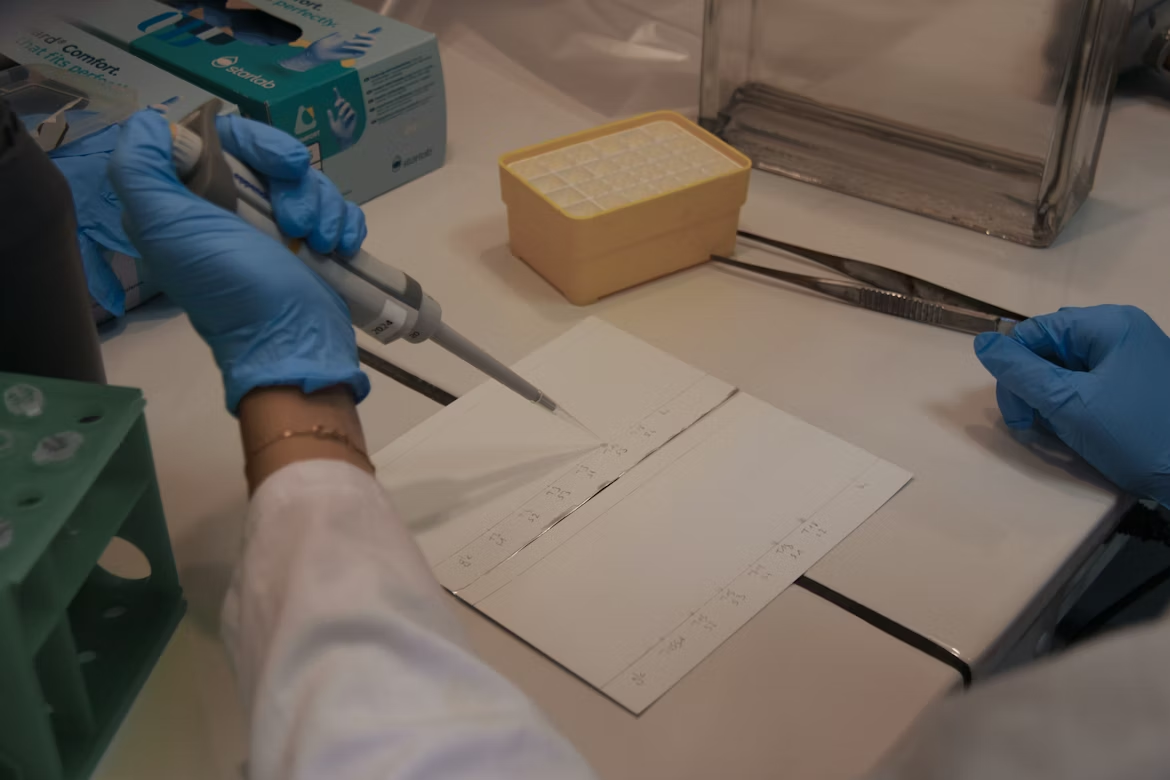
Wound infections are a critical concern in healthcare, particularly in settings where patients may have compromised immune systems or complex medical histories. Accurate wound pathogen testing plays a vital role in patient care, helping healthcare providers make informed decisions regarding treatment and intervention. Understanding the significance of this testing can illuminate its impact on patient outcomes.
1. Timely Diagnosis of Infections
One of the primary benefits of accurate wound pathogen testing is its ability to provide timely diagnoses. In situations where a wound may become infected, rapid identification of pathogens can lead to quicker interventions.
Traditional methods, such as cultures, can take days to yield results, leaving patients vulnerable to complications. In contrast, modern wound pathogen testing techniques, such as PCR, allow for immediate insights into the pathogens present. This rapid response is crucial for effective patient management, as it sets the stage for timely treatment initiation.
2. Targeted Treatment Plans
Accurate wound pathogen testing is instrumental in developing targeted treatment plans for patients. By precisely identifying the specific pathogens involved in an infection, healthcare providers can select the most effective antibiotics or treatments.
This tailored approach not only improves the likelihood of successful outcomes but also minimizes the risks associated with broad-spectrum antibiotics, which can lead to further complications, including antibiotic resistance. With accurate wound pathogen testing, clinicians have the essential data they need to devise treatments aligned with the specific needs of each patient.
3. Reducing Hospital Readmissions
Another significant advantage of accurate wound pathogen testing is its potential to reduce hospital readmissions. Inadequately treated infections can lead to recurring issues that necessitate additional medical attention.
When accurate testing identifies the precise nature of an infection, it allows healthcare professionals to address the problem effectively, thus reducing the risk of complications that could result in readmission. By implementing accurate wound pathogen testing, hospitals can enhance their patient care standards and ultimately improve patient satisfaction and outcomes.
4. Enhancing Overall Patient Safety
The safety of patients is paramount in any healthcare setting. Accurate wound pathogen testing significantly contributes to patient safety by ensuring that infections are managed correctly from the outset. Misdiagnosing infections, either by underestimating their severity or misidentifying pathogens, can lead to inappropriate treatments that jeopardize patient health.
Wound pathogen testing offers a reliable method for healthcare providers to ensure they have the right information, thus enhancing the overall safety and quality of care.
5. Supporting Multidisciplinary Approaches
Accurate wound pathogen testing also supports a multidisciplinary approach to patient care. Collaboration between various healthcare professionals, including doctors, nurses, and pharmacists, is essential for effective treatment planning. Reliable testing allows for streamlined communication among team members, enabling them to work cohesively towards shared objectives for patient health.
With accurate data provided by wound pathogen testing, all parties involved can engage in informed discussions and make collective decisions, leading to greater care effectiveness.
Conclusion
In conclusion, the importance of accurate wound pathogen testing in patient care cannot be overstated. From timely diagnoses and targeted treatment plans to reducing hospital readmissions and enhancing overall patient safety, this testing serves as a cornerstone of effective medical practice.
By implementing accurate wound pathogen testing, healthcare providers can significantly improve patient outcomes, foster collaborative care approaches, and ensure that every patient receives the best possible chance for healing and recovery. Investing in precise testing methods will only strengthen the future of patient care, marking a vital step toward better health for all.